|
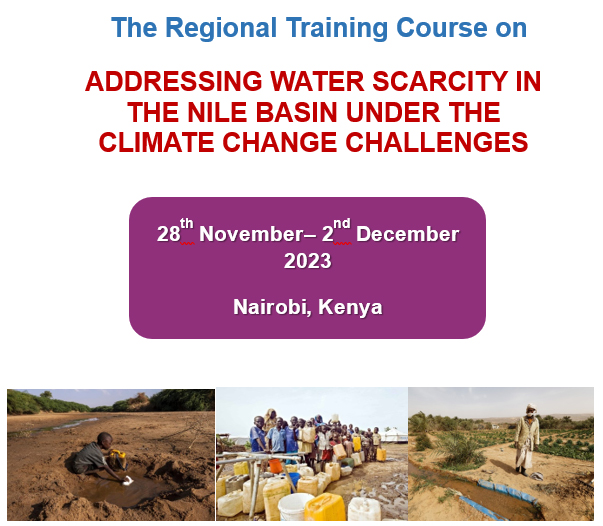
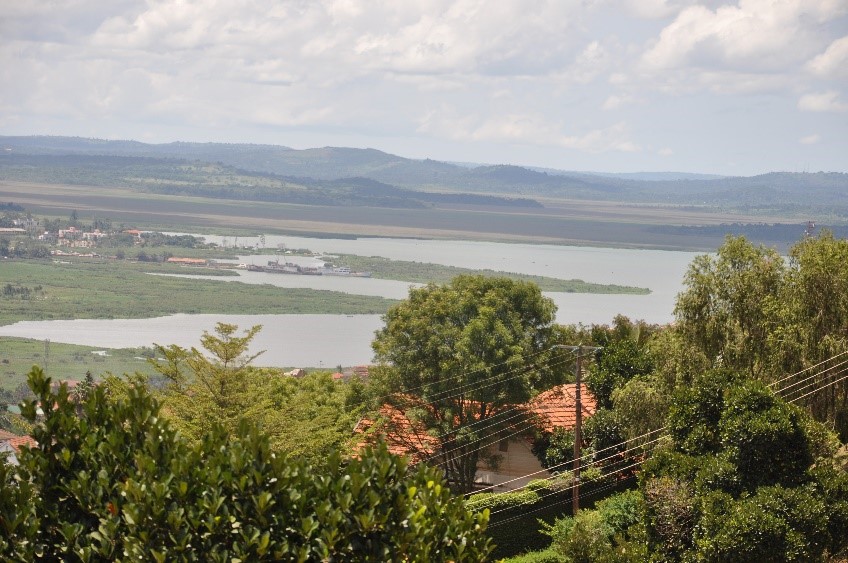
The river Nile is the longest river in the world shared by 10 countries in the Nile Basin: Burundi, Congo, Egypt, Eritrea, Ethiopia, Kenya, Rwanda, Sudan, Tanzania and Uganda. The basin represents one of the most complex and sensitive hydrological systems in the world including parts and entireties of ten countries with different culture, language religion and historical background.
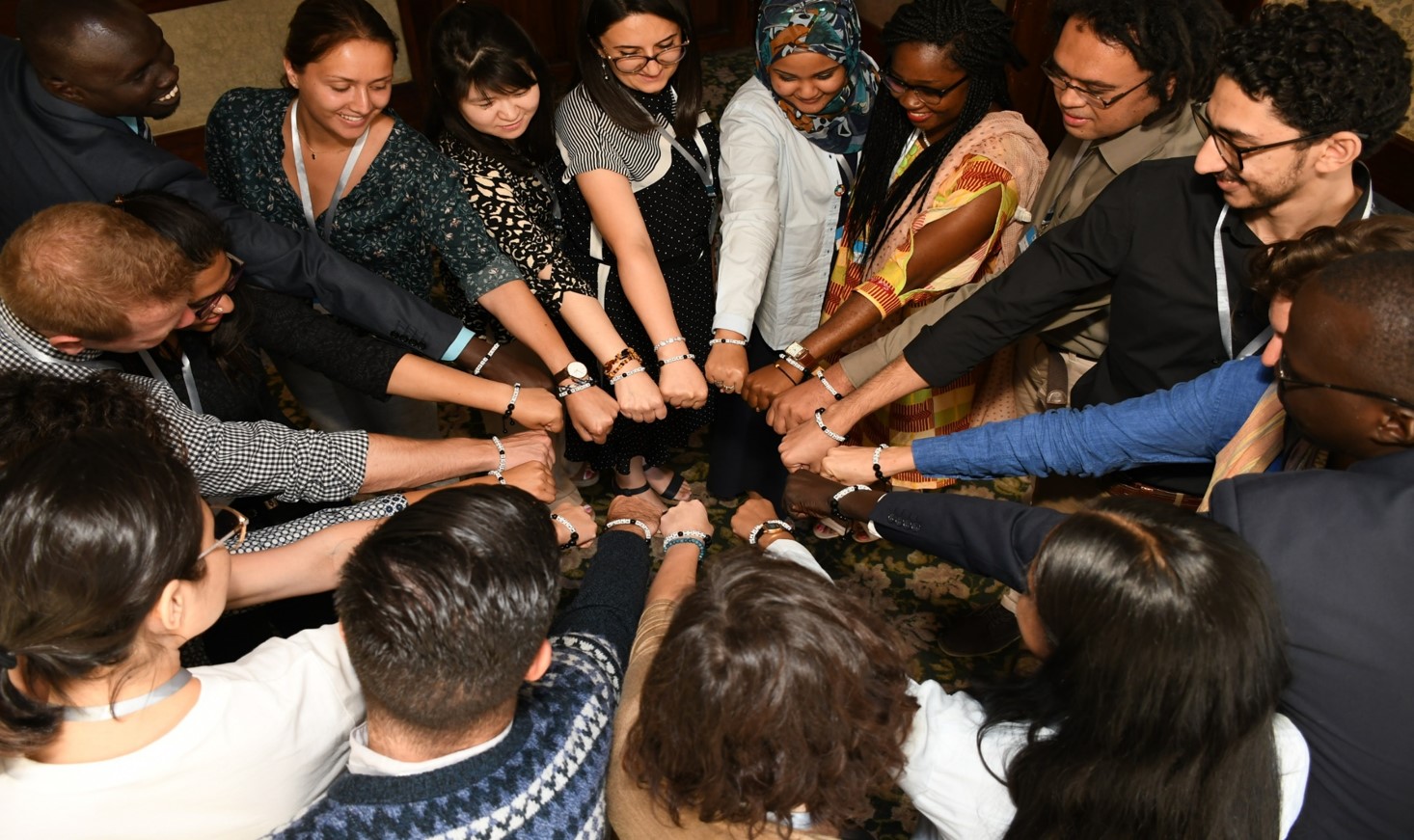
To build on what have been achieved and to further promote the cooperation among the Nile basin countries and strengthen the water professionals capacity, the Nile Basin Capacity Building Network For River Engineering (NBCBN-RE) was initiated to create an environment in which professionals from the water sector sharing the same river basin would have the possibility to exchange ideas, their best practices and lessons learned.
The NBCBN-RE knowledge network is young, active, has much potential and can contribute through its multi-national, multi-disciplinary and multi-stakeholder research to sustainable solutions for integrated water management, the achievement of the Millennium Development Goals and the Nilotic water & climate dialogue. It is the project pilot where Knowledge Network and CoP principles will be developed, tested, applied and monitored, while at the same time the concepts, approach, research results and lessons learned will be pro-actively disseminated to new network initiatives in the region, like the NBI induced programme.
The goals of this demand driven program are to complete and strengthen this knowledge network, to support its Communities of Practice, to build a sustainable knowledge base, to generate and implement joint research with tangible outputs, contributing directly to production of knowledge in water resources management and utilization into diverse external processes, to disseminate its lessons learned and to co-create sustainable ways of collaboration, knowledge dissemination and knowledge networking. In addition, the project targets at getting a better understanding of the impact of CoP's and knowledge networks themselves to improve the flow of knowledge from demand, through knowledge production and societal dialogue till action.
By involving professionals, knowledge institutes and sector organisations from all ten Nile African countries in additional and complementary activities, as laid down in the Shared Vision Program of the Nile Basin Initiative, the project creates a solid passage from potential conflict to co-operation potential and confidence building between riparian states. It will stimulate fruitful dialogue in relation to the MDG's on the basis of local owned research results.
|